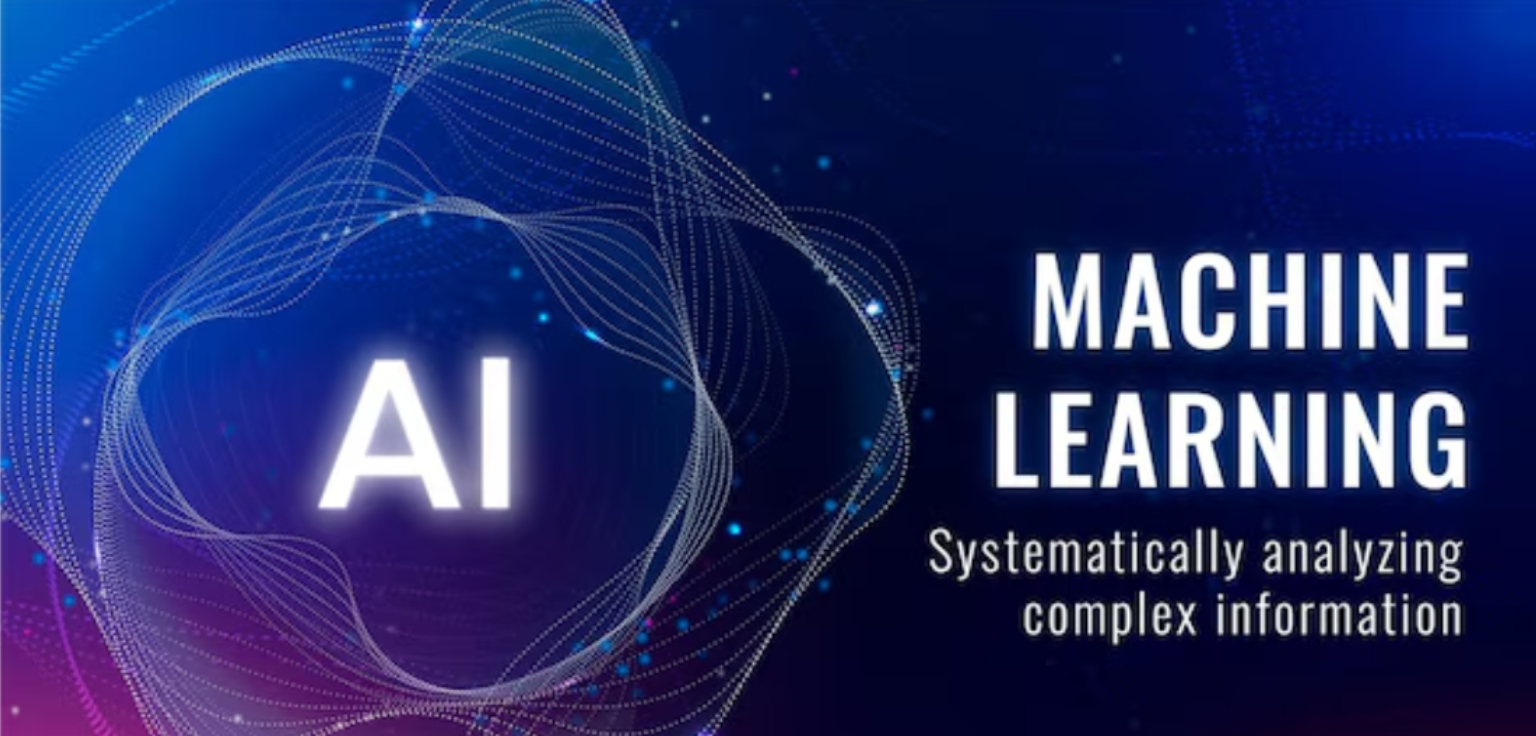

Python for Machine Learning is the perfect starting point for every aspiring data scientist and AI enthusiast!
Python for Machine Learning is a comprehensive and practical course designed to introduce learners to the foundations of machine learning using Python. Its main purpose is to help students understand how data is processed, analyzed, and transformed into intelligent predictions using modern algorithms and tools — all explained in a clear, structured, and beginner-friendly manner. No prior machine learning expertise is required, making it ideal for beginners as well as professionals looking to strengthen their technical skills.
The course offers a well-structured overview of Python programming, data manipulation, visualization, and core machine learning concepts. Learners explore essential libraries such as NumPy, Pandas, Matplotlib, and Scikit-learn while understanding supervised and unsupervised learning techniques. Alongside theory, the course emphasizes practical implementation, enabling students to build, evaluate, and optimize models with confidence.
Python for Machine Learning is designed to support students preparing for careers in data science, artificial intelligence, analytics, and software development. The content is organized step-by-step to ensure clarity, hands-on understanding, and real-world application. Each module builds foundational knowledge while encouraging logical thinking and problem-solving skills.
Whether you are a student, working professional, developer, or tech enthusiast, this course meets diverse learning needs. It lays a strong foundation for advanced machine learning and deep learning studies while preparing you for real-world industry challenges.

-
1
 Chapter 1: Python Basics and Data Types
This chapter introduces the fundamentals of Python programming, including installation, syntax, variables, data types, and basic operations. It builds a strong foundation for beginners to understand how Python works and prepares learners for applying programming concepts to machine learning tasks.
-
2
Chapter 2: Control Structures and Functions
This chapter explains conditional statements, loops, and functions in Python. It teaches how to control program flow and create reusable blocks of code, which are essential skills for building machine learning algorithms and data processing pipelines.
-
3
Chapter 3: Working with NumPy and Pandas
This chapter introduces NumPy and Pandas libraries for numerical computing and data manipulation. Learners will understand arrays, dataframes, indexing, filtering, and data preprocessing techniques required for machine learning projects.
-
4
Chapter 4: Data Cleaning and Feature Engineering
This chapter focuses on preparing data for machine learning. Learners will clean datasets, handle missing values, detect outliers, and create new features to improve model performance and predictive accuracy.
-
5
Chapter 5: Supervised and Unsupervised Learning
This chapter introduces the fundamental types of machine learning: supervised and unsupervised learning. Learners will understand classification, regression, clustering, and real-world applications of each approach.
-
6
Chapter 6: Model Evaluation and Overfitting
This chapter explains how to evaluate machine learning models using metrics and discusses overfitting and underfitting. Learners will understand training, testing, validation, and performance measurement techniques.
-
7
Chapter 7: Implementing Regression Models
This chapter teaches how to implement regression algorithms using Scikit-learn. Learners will build linear regression models and interpret predictions.
-
8
Chapter 8: Implementing Classification Models
This chapter focuses on classification algorithms like Logistic Regression and Decision Trees using Scikit-learn.